
Fuel Monitoring GPS Tracker for Fleet Fuel Control and Vehicle Tracking
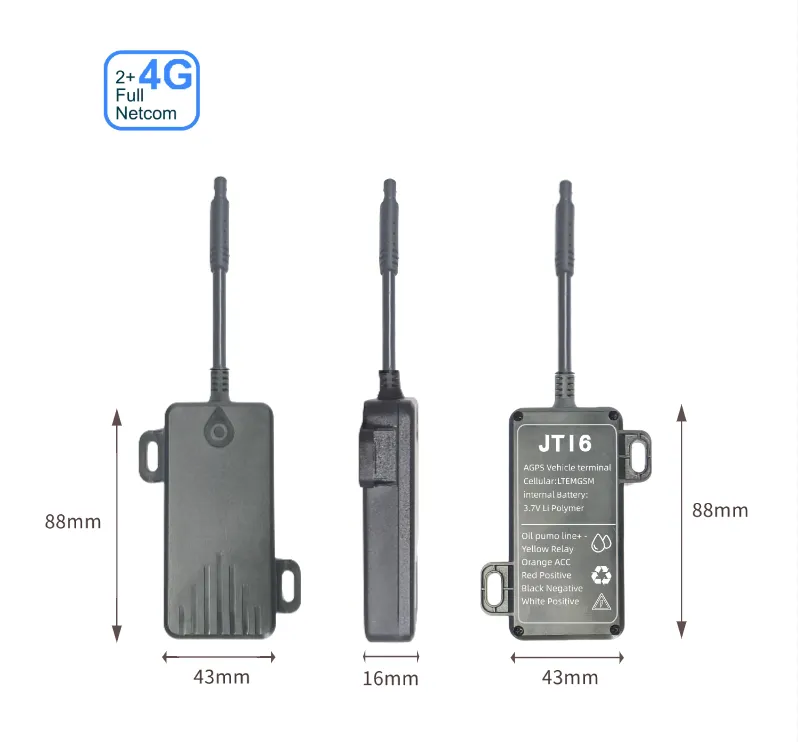
Fuel is one of the largest operating expenses for logistics companies, truck fleets, construction machinery and commercial vehicles. Traditional fuel records depend heavily on driver reports and manual calculations, making it difficult to identify fuel theft, unauthorized refueling, leakage or abnormal consumption.
A fuel monitoring GPS tracker combines vehicle positioning with fuel-level monitoring. It allows fleet operators to view vehicle location, routes, mileage, stop duration and fuel changes through one management platform.
How Does a Fuel Monitoring GPS Tracker Work?
The system normally consists of:
A vehicle-mounted GPS/4G tracking terminal
A capacitive, ultrasonic or resistive fuel-level sensor
GNSS positioning and mobile communication modules
A web-based or mobile fleet-management platform
Alarm, report and data-analysis functions
The fuel sensor measures changes inside the tank and sends the data to the GPS terminal. The terminal combines fuel information with time, position, speed and ignition status before uploading it to the server.
This makes it possible to determine where and when refueling, rapid fuel loss or abnormal consumption occurred.
Important Technical Functions
Real-Time Vehicle Tracking
GNSS positioning provides the location, speed, direction and historical route of each vehicle.
Fuel-Level Monitoring
The platform displays fuel-level changes as a graph. After proper sensor calibration, managers can compare fuel changes with routes, mileage and working hours.
Fuel-Theft and Leakage Alerts
When the system detects a rapid reduction in fuel level while a vehicle is stopped or parked, it can generate an abnormal fuel-loss alarm.
Refueling Records
The platform can record refueling time, location and estimated quantity, helping managers compare actual refueling events with fuel invoices.
Fuel-Consumption Reports
Fuel use can be analyzed by vehicle, driver, route, mileage or operating period. These reports support cost control and vehicle-performance evaluation.
Geofencing and Vehicle Alarms
Depending on the terminal configuration, the system may also support geofence, overspeed, power-disconnection, ignition and unauthorized movement alerts.
Sensor Selection
A fuel-monitoring project must use a sensor that matches the vehicle and tank structure.
| Sensor type | Typical characteristics | Suitable applications |
|---|---|---|
| Capacitive sensor | Installed inside the tank; supports continuous level measurement | Trucks, buses and commercial fleets |
| Ultrasonic sensor | Non-invasive installation under the tank | Applications where drilling should be avoided |
| Resistive sensor | Simple structure and vehicle compatibility | Basic fuel-level monitoring |
| CAN-bus data | Reads available vehicle fuel data | Compatible modern vehicles |
| Fuel flow sensor | Measures fuel flowing through the fuel line | Generators, machinery and high-consumption equipment |
Monitoring accuracy depends on the tank shape, installation position, sensor calibration, fuel movement, vehicle inclination and platform filtering algorithm. A professional deployment should include tank calibration and real-road testing.
Jinshengchang Fuel Monitoring GPS Solution
Shenzhen Jinshengchang Technology Co., Ltd. supplies GPS tracking and IoT solutions for vehicle and asset management. Its fuel-monitoring vehicle solution can be configured for fleet tracking, fuel-data collection, alarm management and historical reports.
Project-oriented services may include:
GPS terminal and fuel-sensor integration
4G communication configuration
Platform and protocol integration
OEM/ODM hardware customization
Firmware and alarm-logic customization
API or server integration
Logo, packaging and interface customization
The final sensor type, serial or analog interface, supported voltage, network bands and reporting interval should be selected according to the target country and vehicle model.
Applications
The solution is suitable for:
Logistics trucks and delivery fleets
Tank trucks and fuel-transport vehicles
Buses and passenger transportation
Construction machinery
Mining vehicles
Agricultural machinery
Diesel generators
Vehicle-rental and fleet-management companies
A properly installed fuel monitoring GPS tracker does more than locate vehicles. It creates a traceable connection between fuel consumption, vehicle movement and operational activity, helping companies reduce losses and improve fleet efficiency.
Manufacturer: Shenzhen Jinshengchang Technology Co., Ltd.
WhatsApp: +86 177 2242 0256
Email: jietainana@gmail.com