
LoRa construction worker tracking
The construction industry, while vital for global infrastructure development, is consistently ranked among the most hazardous sectors. Managing the safety and productivity of a large, dynamic workforce across sprawling, complex, and ever-changing sites remains a formidable challenge. Traditional tracking methods like manual check-ins, walkie-talkies, or even cellular-based GPS often fall short due to high costs, limited indoor penetration, and reliance on unstable cellular networks in remote or congested areas.
Enter LoRaWAN (Long Range Wide Area Network) technology, which is emerging as a game-changer for construction site personnel tracking. This low-power, wide-area network protocol offers a robust, cost-effective, and scalable solution to bring unprecedented visibility, safety, and operational intelligence to construction management.
Core Challenges on Modern Construction Sites
- Safety Compliance & Emergency Response: Quickly locating a worker in distress (e.g., a fall, medical emergency, or hazardous material exposure) is critical. Every second counts.
- Site Access & Zoning Control: Ensuring only authorized personnel enter high-risk zones (e.g., crane operation areas, confined spaces, active demolition sites) is paramount for preventing accidents.
- Labor Productivity & Resource Allocation: Supervisors often lack real-time data on crew location and density, making it difficult to optimize task allocation and respond to bottlenecks.
- Network Infrastructure Limitations: Many greenfield or large-scale sites lack reliable Wi-Fi or cellular coverage, especially indoors, in basements, or around heavy steel structures.
- Solution Cost & Complexity: Deploying and maintaining a dense network of traditional beacons or RFID readers across a large, temporary site can be prohibitively expensive and complex.
How LoRaWAN Tracking Addresses These Challenges
A typical LoRaWAN-based worker tracking system consists of three key components:
- Worker Badges/Tags: Rugged, compact devices worn by each worker, equipped with LoRa radio, motion sensors, and often an SOS button.
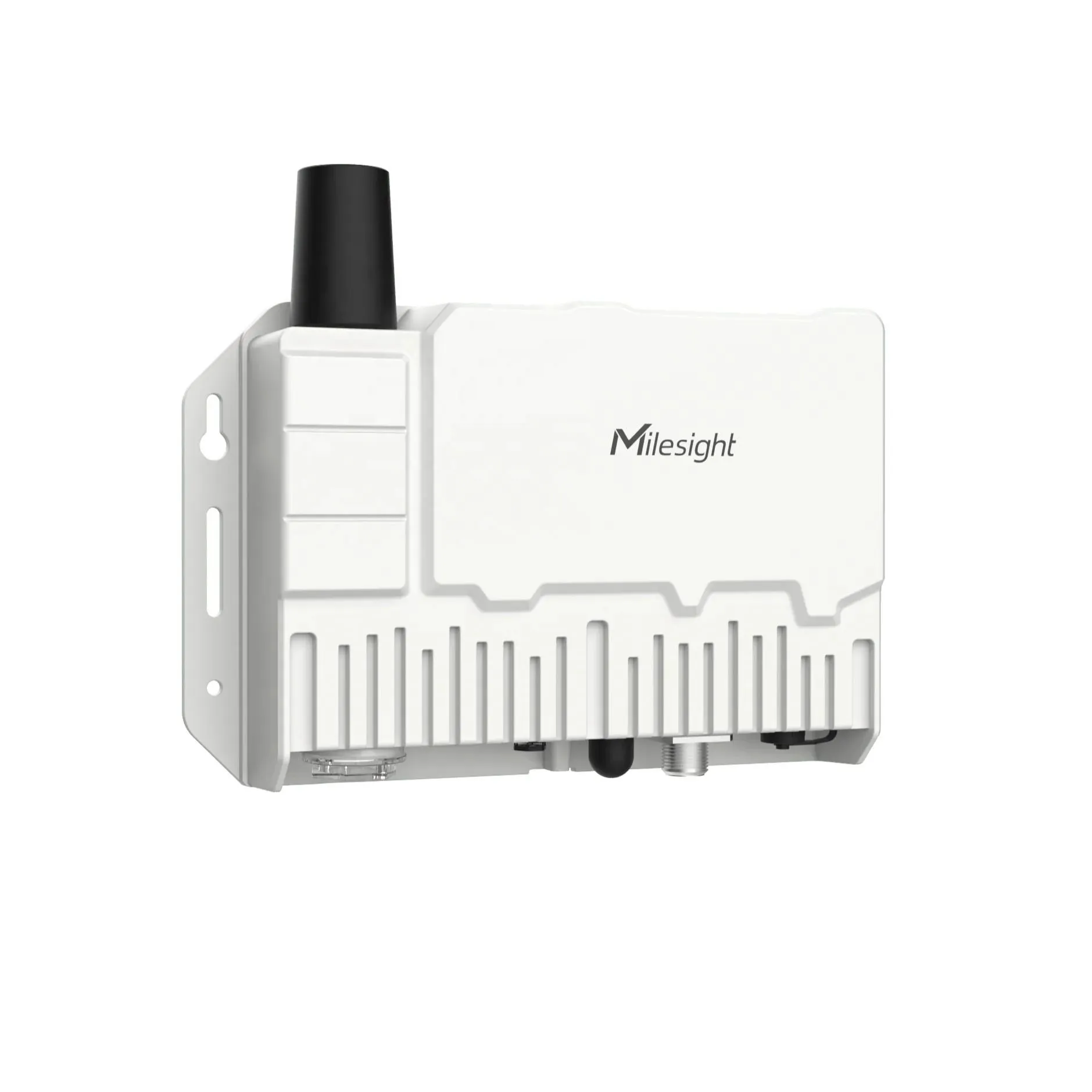
- Gateways: A few strategically placed LoRaWAN gateways can cover an entire large site (up to several kilometers in open areas, with excellent building penetration).
- Cloud Platform & Dashboard: A central software platform that visualizes real-time locations, manages alerts, and generates reports.
Key Advantages for Construction Sites:
- Exceptional Range & Penetration: A single LoRaWAN gateway can cover multiple buildings or an entire large-scale site, penetrating concrete, steel, and other materials far better than Wi-Fi or Bluetooth. This drastically reduces infrastructure investment.
- Ultra-Low Power & Long Battery Life: Worker badges can operate for 1-3 years on a single battery charge, eliminating daily charging hassles and ensuring continuous operation.
- High Capacity & Scalability: One gateway can handle thousands of devices simultaneously, making it easy to scale from a small crew to a mega-project with thousands of workers.
- Cost-Effective Deployment: With minimal gateways needed and no SIM card/data subscription fees (unlike cellular GPS), the total cost of ownership is significantly lower.
- Reliability in Harsh Environments: LoRa devices are designed for industrial use, with high IP ratings (e.g., IP67) for dust and water resistance, suitable for the demanding construction environment.
Transforming Site Operations: Practical Applications
- Real-Time Safety Monitoring & SOS Alerts: Workers can trigger an SOS alert via their badge. The system instantly pinpoints their exact location on a site map, enabling rapid emergency dispatch.
- Geofencing & Hazard Zone Management: Virtual boundaries can be drawn around dangerous areas. Unauthorized entry triggers immediate alerts to both the worker and the safety manager’s dashboard.
- Automated Attendance & Mustering: Replace manual roll calls with automated presence detection. In an emergency evacuation, the system can instantly account for all personnel, identifying who is still in the danger zone.
- Heatmaps & Productivity Analytics: Visualize worker density and movement patterns over time. This data helps identify workflow bottlenecks, optimize site layout, and verify work progress against schedules.
- Equipment & Tool Co-Location: By attaching LoRa tags to high-value tools or equipment, managers can see not only the asset's location but also which worker or crew is using it, improving accountability and reducing loss.
Implementation Considerations
- Gateway Placement: A simple site survey is needed to determine optimal gateway locations for full coverage, often requiring only 2-3 units for a typical large site.
- Data Integration: The tracking platform should offer APIs to seamlessly integrate data into existing Project Management (PM) or Building Information Modeling (BIM) software.
- Privacy & Compliance: Clear policies must be established regarding data collection and usage, ensuring compliance with local labor regulations. Systems should focus on zone-level tracking rather than continuous, intrusive monitoring.
Conclusion
LoRaWAN-based personnel tracking is more than just a "find my worker" tool. It represents a foundational shift towards data-driven construction site management. By providing reliable, real-time visibility into workforce location and safety status—without the limitations of cellular networks or the high cost of other technologies—LoRaWAN empowers project managers to proactively prevent accidents, optimize operations, and ultimately build smarter, safer, and more efficient job sites. For forward-thinking construction firms, investing in this technology is an investment in their most valuable asset: their people.